Get Roof Flashing Installation
Roof flashing installation services help property owners prevent leaks and water damage by properly sealing roof joints, chimneys, vents, and skylights with experienced local contractors.
Roof flashing installation is an essential part of maintaining a durable and weather-resistant property. Properly installed flashing helps prevent water intrusion around vulnerable areas such as chimneys, vents, and roof edges. Property owners in the area often explore this work to protect their investments, improve the longevity of their roofs, and ensure their homes remain safe and dry through changing weather conditions. Whether planning a new roof project or addressing existing issues, understanding available options and connecting with local contractors can make the process smoother and more effective.
For those considering roof flashing services, there are many local contractors experienced in handling these critical components. Comparing different service providers can help identify the best approach for your property’s specific needs. Continued reading can provide valuable insights into what to look for in a professional and how to find trusted local experts who can deliver quality installation and reliable results.
- Roof Flashing Installation - Needed when installing new roofing to ensure water is properly diverted away from vulnerable areas.
- Gutter and Roof Edge Flashing - Required to prevent leaks at roof edges and around gutters during repairs or upgrades.
- Chimney Flashing - Necessary when sealing or replacing flashing around chimneys to prevent water intrusion.
- Skylight Flashing - Essential when installing or repairing skylights to maintain a watertight seal.
- Vent Pipe Flashing - Used when installing or replacing vent pipes to prevent leaks and water damage.
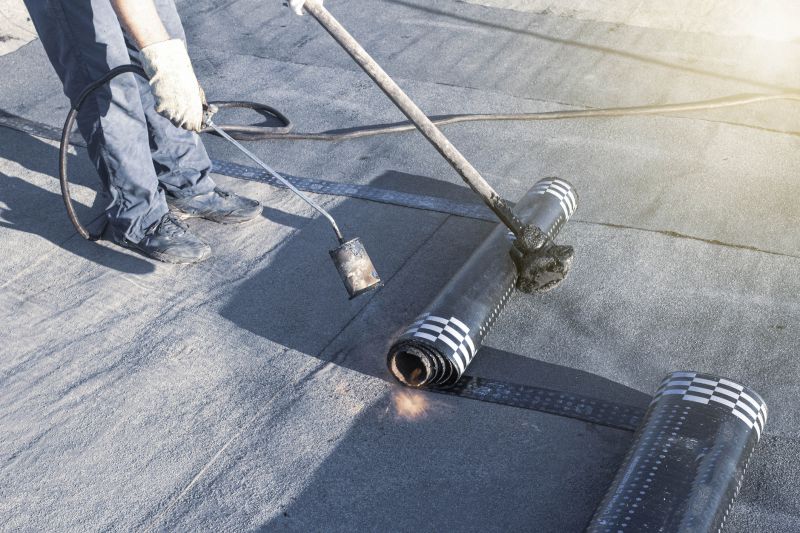

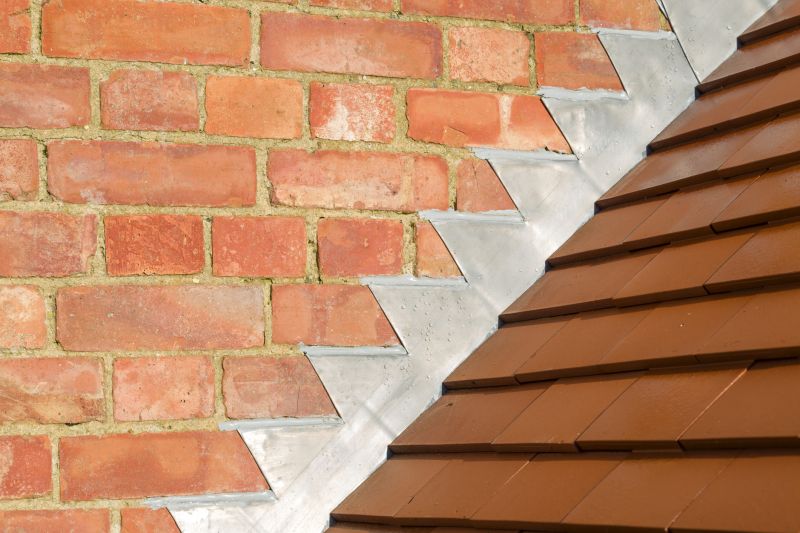
Roof flashing installation is a crucial process that involves placing metal strips or sheets around key areas of a roof to prevent water from seeping into the structure. These metal pieces are carefully installed at joints, valleys, chimneys, vents, and other roof penetrations to create a watertight barrier. Proper flashing helps direct water away from vulnerable spots, reducing the risk of leaks and water damage inside the building. Skilled contractors ensure the flashing is correctly fitted and sealed, which is essential for maintaining the roof’s integrity over time.
One of the primary issues roof flashing addresses is water infiltration caused by improper sealing or damage to existing flashing. Over time, exposure to the elements can cause flashing to rust, crack, or become dislodged, leading to leaks during heavy rain or snow. Flashing installation also helps prevent ice dams and water pooling, which can cause significant damage to roofing materials and interior spaces. For homeowners experiencing recurring leaks, water stains, or increased moisture inside the home, professional flashing installation can provide a reliable solution to protect the property.
Roof flashing services are commonly used on residential properties, including single-family homes, townhouses, and multi-family complexes. They are also essential for commercial buildings, such as retail stores, office buildings, and industrial facilities. Any property with a roof that features chimneys, skylights, vents, or complex rooflines may require flashing installation or repair. Homeowners and property managers often seek these services when constructing new roofs, replacing old flashing, or upgrading their roofing systems to improve weather resistance and prevent costly repairs down the line.
Choosing to work with local contractors for roof flashing installation ensures that experienced professionals handle the job with attention to detail and local building standards. These service providers are familiar with the specific needs of different property types and climates, making it easier to find solutions tailored to each situation. Whether a property needs new flashing installed around a chimney or repairs to existing flashing on a flat roof, connecting with qualified local pros can help ensure the work is done correctly and effectively, providing long-term protection against water damage.
The overview below groups typical Roof Flashing Installation projects into broad ranges so you can see how smaller, mid-sized, and larger jobs often compare in your area.
In many markets, a large share of routine jobs stays in the lower and middle ranges, while only a smaller percentage of projects moves into the highest bands when the work is more complex or site conditions are harder than average.
Smaller Repairs - Typical costs for minor roof flashing repairs generally range from $250 to $600. Many routine fixes fall within this middle band, depending on the extent of the damage and materials involved.
Partial Installation - Installing flashing on a specific area or section of a roof often costs between $600 and $1,500. Larger, more complex projects can reach $2,500 or more, though most jobs stay within the lower to mid-range figures.
Full Roof Flashing Replacement - Replacing all flashing across a roof usually costs between $2,000 and $5,000. While some larger or more detailed projects can exceed this range, many contractors complete full replacements within this typical band.
Complex or Custom Projects - Custom or high-end flashing work, such as on elaborate roof designs, can cost $5,000 or higher. Such projects are less common and tend to fall into the top tier of pricing, depending on scope and materials used.
Actual totals will depend on details like access to the work area, the scope of the project, and the materials selected, so use these as general starting points rather than exact figures.
Chimney Flashing Replacement - this project involves installing or repairing flashing around chimneys to prevent water intrusion, utilizing similar sealing and waterproofing techniques as roof flashing.
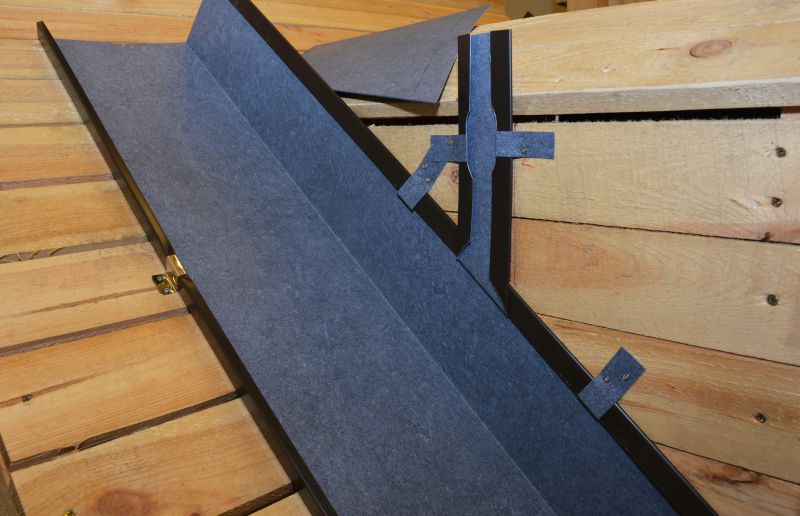
Valley Metal Installation - installing metal valley linings requires precise measurement and secure fastening, similar to the planning and tools used in roof flashing setup.
Skylight Flashing Installation - ensuring a watertight seal around skylights involves careful flashing installation, comparable to roof flashing work in terms of planning and waterproofing.
Gutter System Installation - installing gutters and downspouts requires understanding of roof lines and waterproofing principles, aligning with skills used in roof flashing projects.
Roof Leak Repair - identifying and sealing leaks often involves replacing or repairing flashing components, sharing techniques and tools with roof flashing installation.
Dormer Flashing Services - flashing around dormers involves detailed work to prevent water penetration, similar to the planning and sealing involved in roof flashing.
When comparing local contractors for roof flashing installation, it’s important to consider their experience with similar projects. Homeowners should look for service providers who have a proven track record in installing roof flashing on homes comparable in style and construction. An experienced contractor is more likely to understand the nuances of different roofing materials and architectural details, which can help ensure the job is done correctly and efficiently. Asking for examples of past work or references related to roof flashing can provide insight into their familiarity with this specific service, helping to gauge their capability to handle the project effectively.
Clear, written expectations are essential when choosing a local contractor for roof flashing installation. A reputable service provider should be able to provide a detailed scope of work, outlining what will be done, what materials will be used, and the standards to be met. This documentation helps prevent misunderstandings and ensures that both parties are aligned on the project’s goals. Homeowners should also seek references from previous clients who can speak to the contractor’s professionalism, reliability, and quality of work, giving additional confidence in their ability to deliver as promised.
Effective communication is a key factor in selecting a reliable local contractor for roof flashing services. A good service provider will be responsive, transparent, and willing to answer questions throughout the process. Clear communication helps homeowners feel informed and involved, reducing the potential for surprises or miscommunications. When comparing options, it’s beneficial to observe how promptly and thoroughly a contractor responds to inquiries and whether they demonstrate a professional approach. Remember, the site introduces homeowners to local options that can handle the work, but the actual installation will be performed by trusted local contractors who meet these important criteria.
Property owners use Roof Flashing Installation services for practical projects around their homes and businesses. This guide focuses on everyday jobs and straightforward project options.
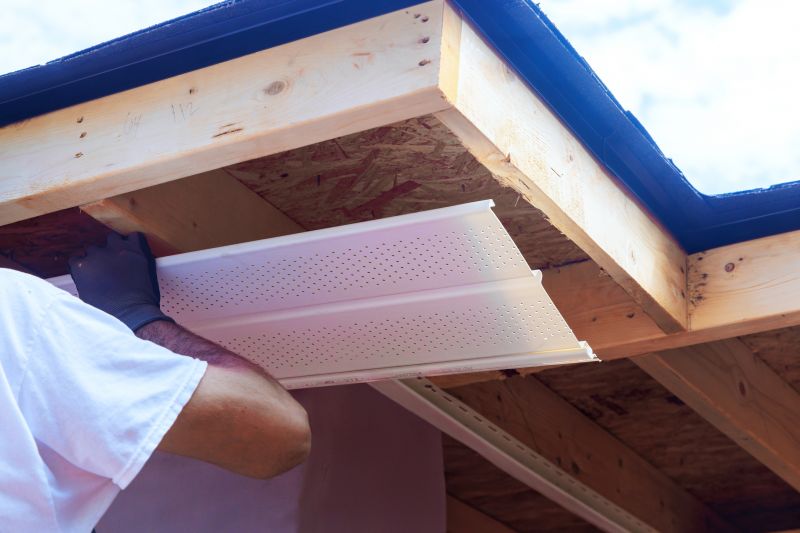

Roof flashing installation is a common need for property owners dealing with leaks or potential water intrusion around chimneys, vents, and skylights. Over time, weather exposure or improper previous work can cause flashing to become damaged or misaligned, increasing the risk of water damage inside the building. Local contractors who specialize in roof flashing can assess these issues and provide the necessary repairs or new installations to help protect the property’s structure and interior.
Homeowners and property managers might seek flashing services after noticing signs of water stains, mold growth, or rust around roof penetrations. Additionally, when undertaking roof repairs or upgrades, ensuring proper flashing installation is essential to maintain the roof’s integrity. Service providers in the area can handle these projects efficiently, helping to prevent more costly damage and maintain the durability of the roof system.
What is roof flashing installation? Roof flashing installation involves adding or replacing metal strips to direct water away from critical areas of a roof, helping to prevent leaks and water damage.
Why is roof flashing important? Proper roof flashing is essential for protecting a building’s structure by preventing water intrusion at joints, chimneys, vents, and other roof penetrations.
How do local contractors install roof flashing? Local service providers typically assess the roof, select appropriate flashing materials, and carefully install or repair flashing to ensure a secure, watertight seal.
What types of roof flashing are commonly installed? Common types include step flashing, continuous (or apron) flashing, and base flashings, each suited to different roof features and angles.
How can I find local pros for roof flashing installation? This website helps connect homeowners with qualified local contractors who specialize in roof flashing and related roofing services.
Roof Flashing Installation - Protect a chimney or skylight by ensuring proper flashing to prevent leaks and water damage.
Roof Flashing Repair - Fix damaged or deteriorated flashing around vents and roof joints to maintain a watertight seal.
Custom Flashing Solutions - Install specialized flashing for unique roof features or complex rooflines to enhance durability.
Preventative Flashing Upgrades - Upgrade existing flashing to improve weather resistance and extend the lifespan of the roof.
If you are thinking about Roof Flashing Installation for a property, this guide is meant to help you understand the work, the typical project types, and how different options might fit your plans.
When you are ready, you can use the quote form on this page to share a few details about your project. From there, local pros can review the basics and respond with options that match what you have in mind.